
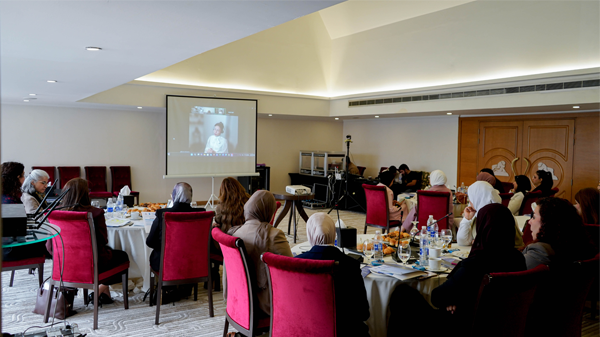
ArbitralWomen Breakfast During Iraqi Arbitration Week in Baghdad
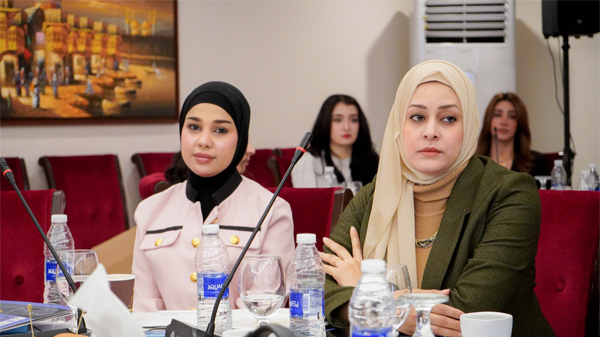
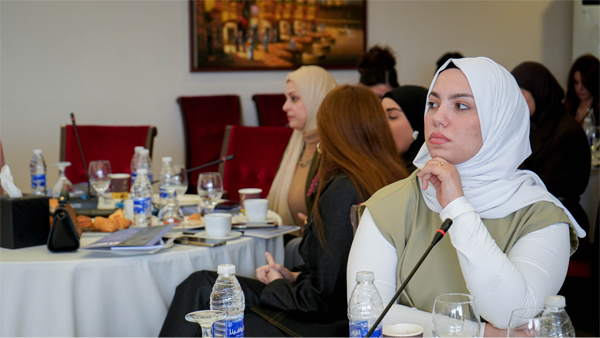
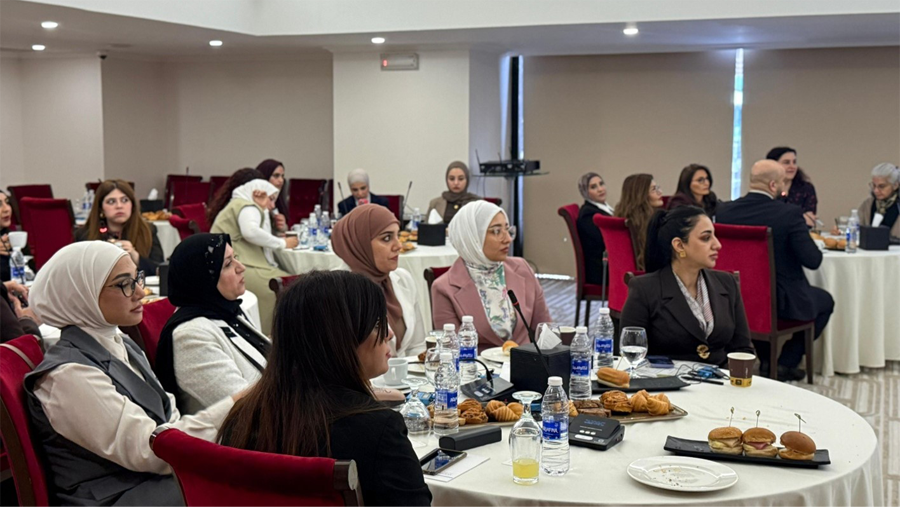
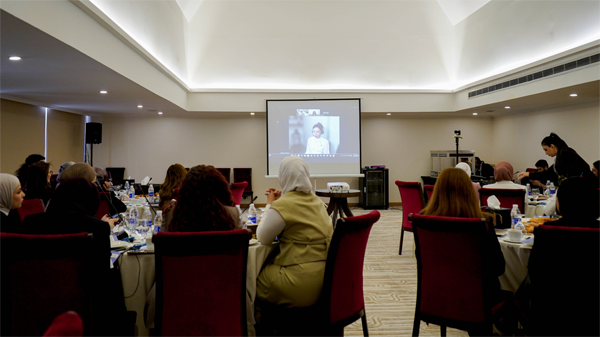
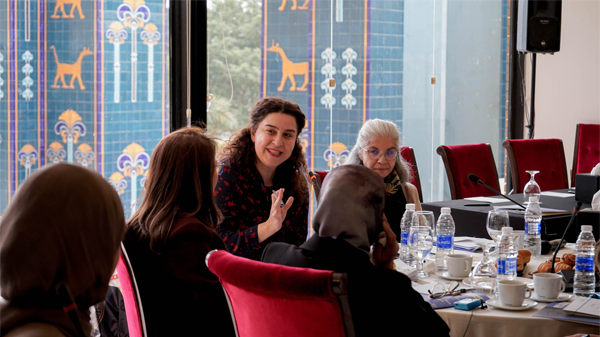
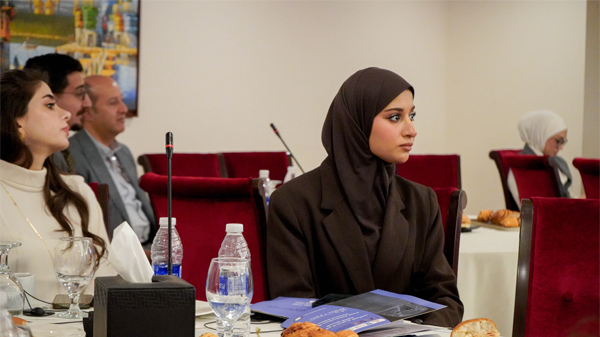
On 2 December 2025, ArbitralWomen held a breakfast session in Baghdad delivered in collaboration with UNDP Iraq. It took place during the Iraqi Arbitration Week organised by the ICC Iraq and the Federation of Chambers of Commerce of Iraq (FICC) and gathered thirty practitioners, including three men, creating a diverse and engaging forum for exchange.
Guest speakers included Rabab Yasseen, Zainab Al Qurnawi, and ArbitralWomen Board Director Dr. Sally El Sawah. ArbitralWomen President Rebeca Mosquera delivered the opening remarks and took part as a speaker, with the session moderated by ArbitralWomen Member Sophie Tkemaladze.
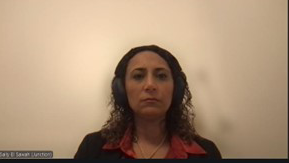

Sharing Career Journeys in Arbitration
The speakers opened the session by recounting their professional journeys. Each offered a distinct pathway into international arbitration, illustrating how careers in this field develop through exposure to complex cross-border matters, targeted specialisation, and meaningful mentorship.
Building Skills, Knowledge, and Credentials
Participants received guidance on the competencies needed to establish themselves in arbitration:
- Strong grounding in core legal disciplines.
- Specialised arbitration training and certifications from institutions like ICC, CIArb, and others.
- Practical case exposure, whether through law firm practice, tribunal secretary, or other roles.
- Ongoing professional development, through courses, workshops, and active involvement in arbitration organisations.
Gaining Experience Before the First Appointment
Speakers candidly addressed the challenge of securing a first arbitrator appointment. They highlighted the value of:
- Supporting established arbitrators as tribunal secretaries.
- Authoring articles, speaking at events, and contributing to legal scholarship.
- Participating in moot courts.
- Building visibility through networks like ArbitralWomen.
They noted that while timelines vary, the first appointment often comes only after years of sustained engagement and confidence gained through experience, integrity and demonstrated expertise.
Challenges for Newcomers—and How to Overcome Them
A key part of the discussion focused on obstacles encountered by early-career practitioners, such as:
- Multi-jurisdictional complexities, requiring adaptability to diverse legal systems.
- Relocation pressures associated with seeking opportunities in recognised arbitration hubs.
- Gender biases and barriers, which can impede access to appointments or leadership roles.
To navigate these challenges, the panel encouraged perseverance, strategic networking, and cultivating international experience. Mentorship—both formal and informal—was highlighted as a crucial support mechanism.
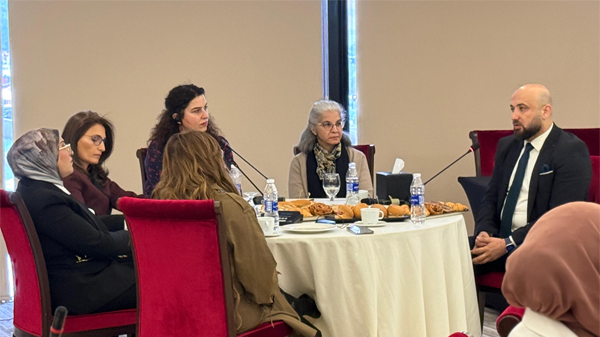
Submitted by ArbitralWomen Member Sophie Tkemaladze (International Arbitrator)