
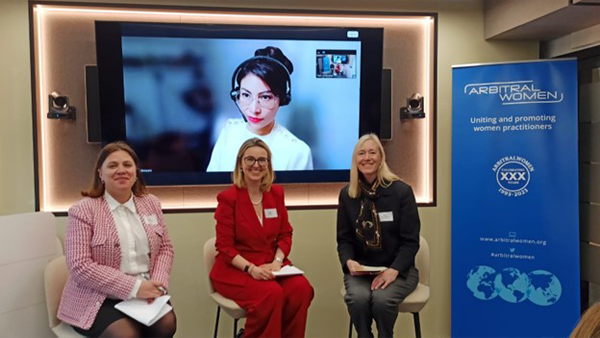
ArbitralWomen Hosts Paris Arbitration Week Panel on “The In-House Reality of Arbitration (What we Don’t Say on Panels)”
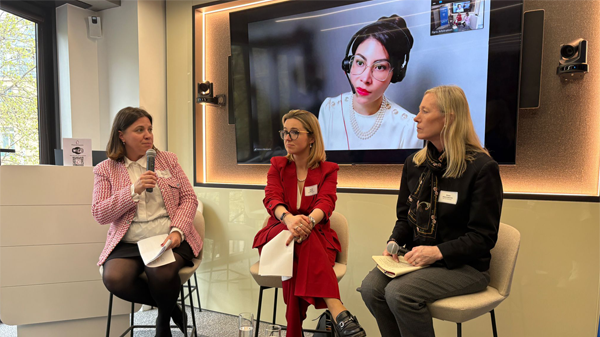
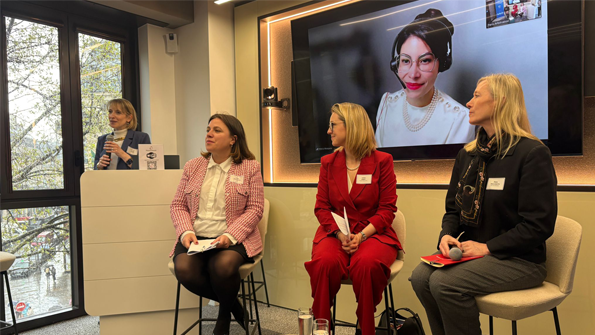
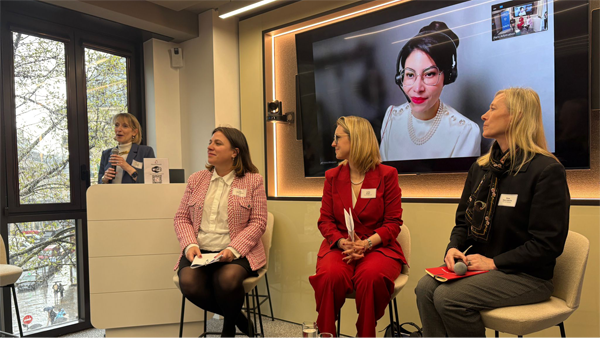
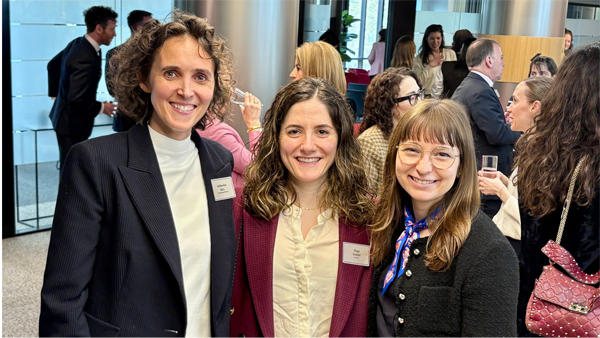
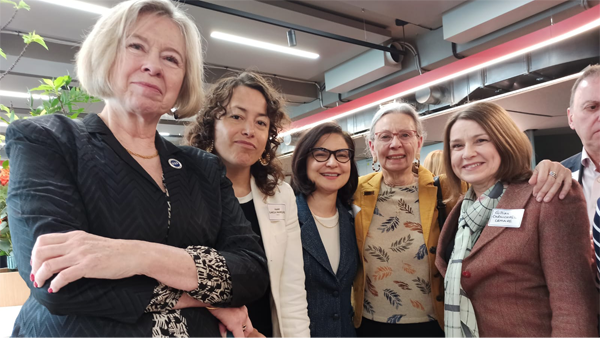
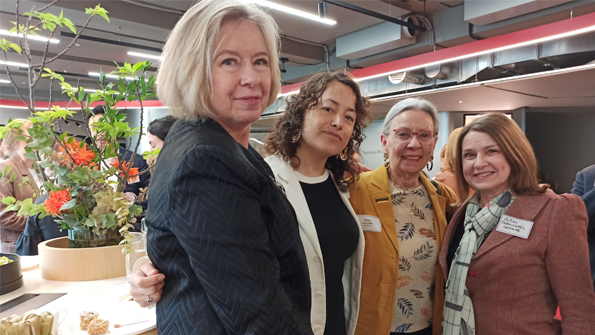
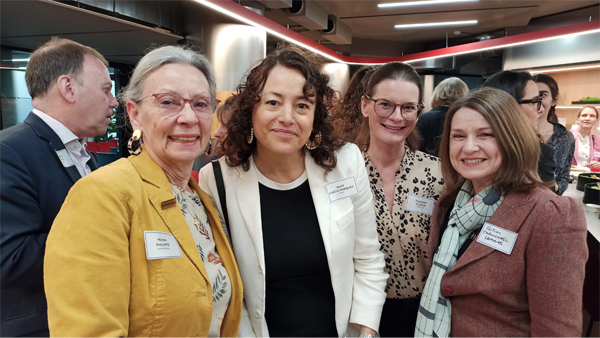
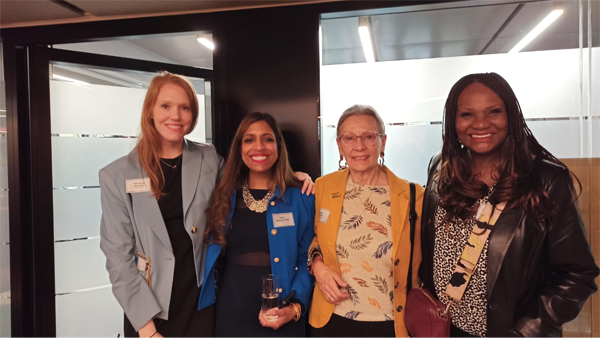
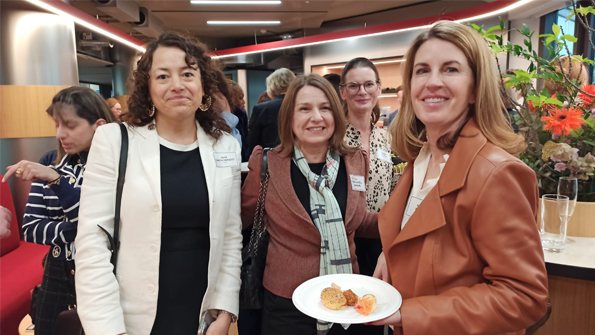
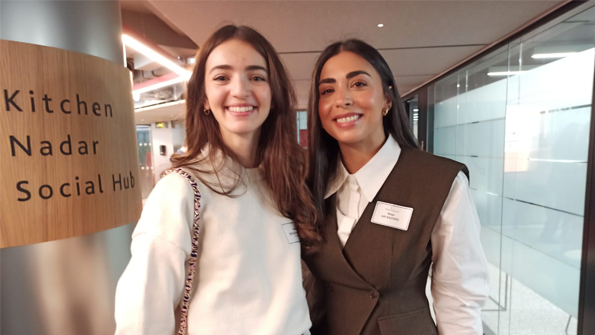
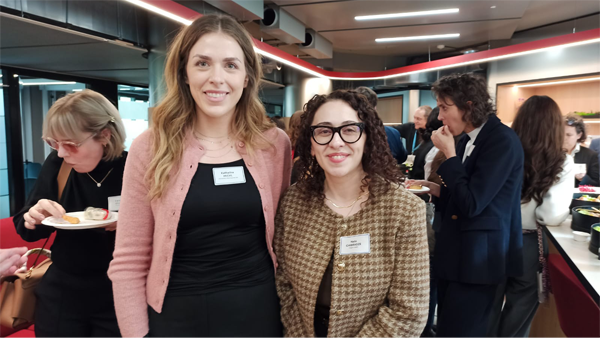
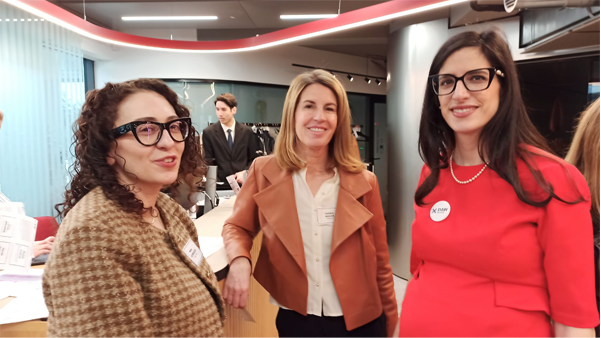
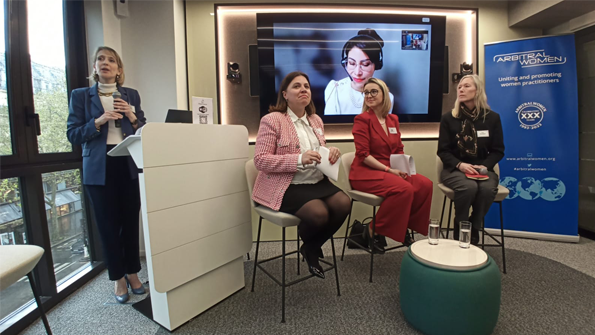
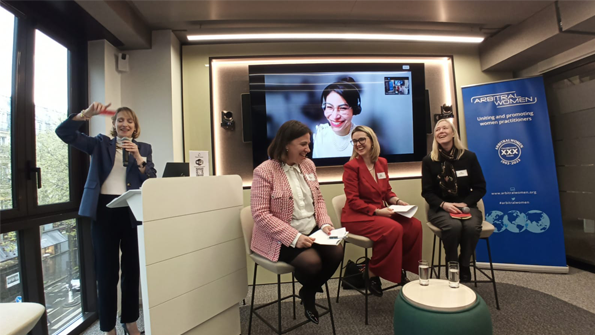
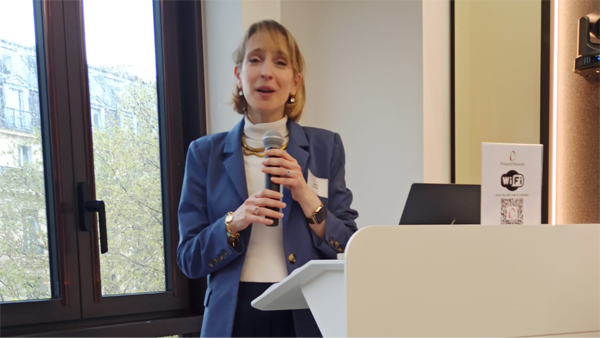
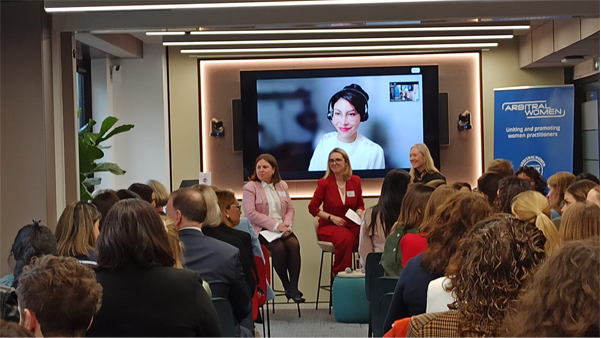
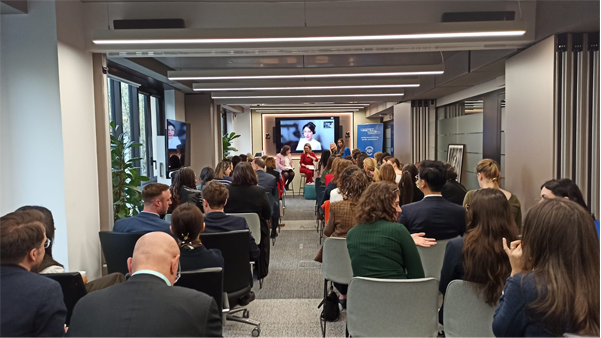
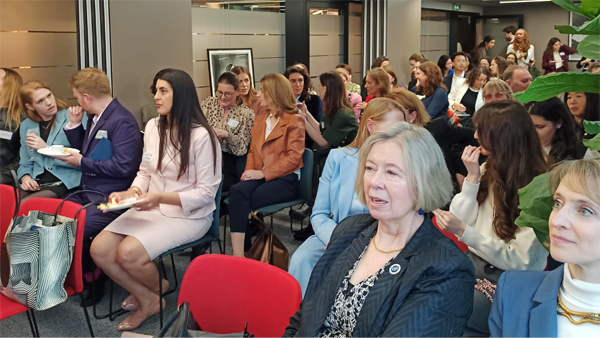
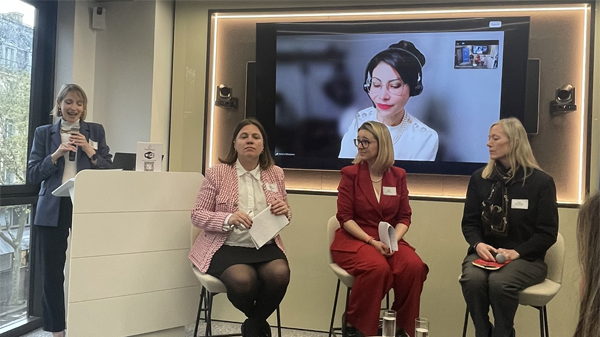
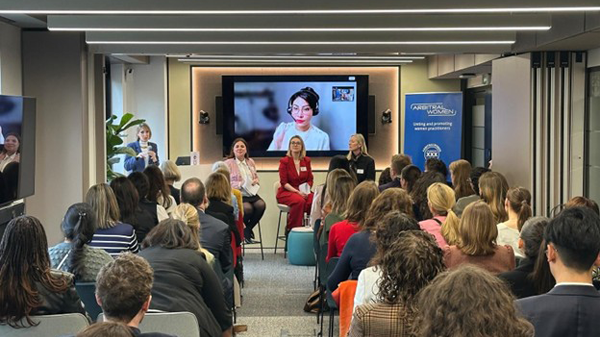
On 25 March 2026, ArbitralWomen, in collaboration with Corporate Subscriber Pinsent Masons, convened a Paris Arbitration Week panel bringing together in-house counsel for a candid discussion on how arbitration operates from the client perspective. The session was held under the Chatham House Rule, enabling an open and direct exchange. Moderated by ArbitralWomen President Rebeca Mosquera (Senior Counsel, Dispute Resolution, Saudi Aramco), the panel featured ArbitralWomen Board Director Alina Leoveanu (Group Deputy Head of Litigation, Dispute Resolution, Risk Management and Insurance, Atos), Larisa Babiy (Head of Strategic Litigation and Arbitration, Renault Group), and ArbitralWomen Advisory Council Member Dana MacGrath (Independent Arbitrator and Former In-House Counsel in Arbitration Finance). ArbitralWomen Advisory Council Member Gaëlle Filhol delivered opening remarks. ArbitralWomen extends its appreciation to Corporate Subscriber Pinsent Masons for its partnership in delivering this programme.
The discussion provided a clear, unfiltered view of how in-house teams assess disputes and engage with external counsel. Risk assessment emerged as a defining discipline. In-house counsel operate through probabilities, assumptions, and financial exposure, and expect external advisers to do the same, with clarity, transparency, and the confidence to articulate a considered position. Equally, dispute resolution is only one part of the equation. Oftentimes, before arbitration is pursued, in-house teams expect a structured evaluation of all available tools, including contractual mechanisms, negotiation strategies, internal processes, and dispute boards.
The conversation also underscored that there is no universal model for dispute resolution clauses. Decisions on seat, structure, and governing law are inherently contextual, driven by the nature of the transaction, the profile of the counterparties, and sensitivities such as sovereign considerations. In this setting, practical tools such as mock proceedings remain underutilised, yet highly effective in stress-testing case strategy and facilitating clearer, more direct communication between the in-house team and the business.
Across the discussion, a consistent message emerged as to what drives repeat engagement with external counsel. Technical excellence is assumed. What distinguishes trusted advisers is their ability to engage with the business, to think strategically, and to build confidence across the full team. The expectation is not centred on individuals senior partner alone, but on the strength and cohesion of the entire team supporting the client.
The session reflected ArbitralWomen’s continued role in convening conversations that move beyond formal narratives and address the realities shaping arbitration practice.
Submitted by ArbitralWomen President Rebeca Mosquera (Senior Counsel, Dispute Resolution, Saudi Aramco)